Field notes: the week a bridge detour tripled a two-lane collector's volume overnight
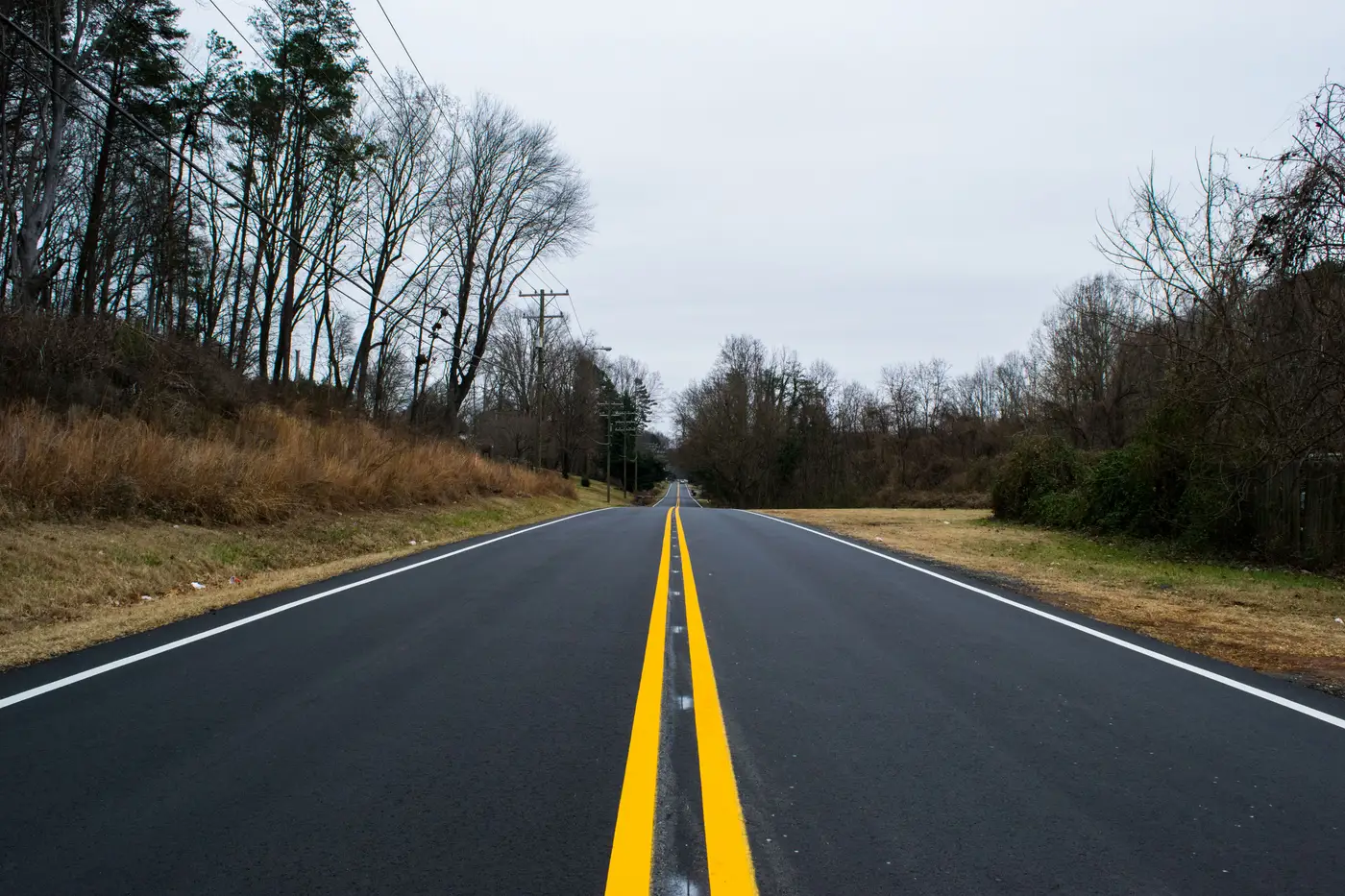
A culvert rehab on the main arterial bridge closed two lanes for what the contractor's schedule called "six to eight weeks, weather dependent." Anyone who has worked a closure with that phrase in the project notes has a sense of what it tends to mean. The detour signs went up on a Friday, routing both directions onto a two-lane collector that, as far as anyone could tell from the last regional model run, carried somewhere under 4,000 ADT and had never once shown up on a capacity complaint.
By Monday it had a line at the four-way stop that backed into the school pickup lane.
The collector is a classic secondary road carrying traffic it was never built for: one through lane each way, a center turn pocket at the one signalized intersection, ditches instead of curb and gutter for most of its length. It's the kind of link that gets a traffic count maybe once a decade, if a development application forces the issue. Nobody had tubes out there. Nobody had budgeted for tubes out there, because nothing on the five-year work plan said this road needed attention.
The calls started the way they always do: a council member's office forwarding a resident email about "the backup," a school district asking whether the bus route needs to shift, a fire chief wanting to know if mutual-aid response times along that corridor just got worse. All reasonable questions. None of them answerable without a number.
The instinct is to schedule a crew. Tube counts, or if there's lead time, a short-duration turning movement count at the stop-controlled intersection where the queue was forming. But a detour like this doesn't sit still long enough for that approach to be clean. The contractor was already talking about swapping the closure to alternating single-lane with a flagger for the second phase, which would change the directional split entirely. Laying tubes for a condition that might not exist in two weeks is a good way to burn a crew day on data nobody can use.
What actually got this corridor a defensible number inside of a day was a satellite pass scheduled for the Tuesday morning peak, the detour's second day, before anyone had settled into a new pattern. One image, counted by link and direction, cross-referenced against the four-way stop's queue length in the frame. The volume on the collector had roughly tripled over its pre-detour baseline, and the queue at the stop-controlled leg was already spilling past the point gap acceptance works. That was enough to justify a temporary signal timing plan at the nearby intersection and to tell the fire chief, correctly, that the detour corridor now needed a priority pre-emption look.
None of that required a crew standing in a ditch with a counter board, which matters more than it sounds like on a road with no shoulder to stand on safely while trucks that don't normally use it figure out the lane width.
The part worth remembering for the next detour, because there's always a next detour: the roads that get instrumented are the roads that already look like they need it. A two-lane collector with ditches and a stop sign doesn't get a counter until it's already failing, and by the time it's visibly failing you're doing damage control instead of planning. The bridge closure that pushes a corridor's volume past what it was built for doesn't send a warning first. It just shows up on a Monday.
If you're staring down a detour, a lane closure, or a link nobody thought to instrument before the volume moved, it's worth knowing you don't need a crew and a closure permit to get a number fast. Vehicle Counting turns one scheduled pass over a corridor into a count by link and direction, delivered as a CSV you can hand to whoever's asking about the backup.
Take a look at what a single pass over your detour corridor could get you by the next peak.